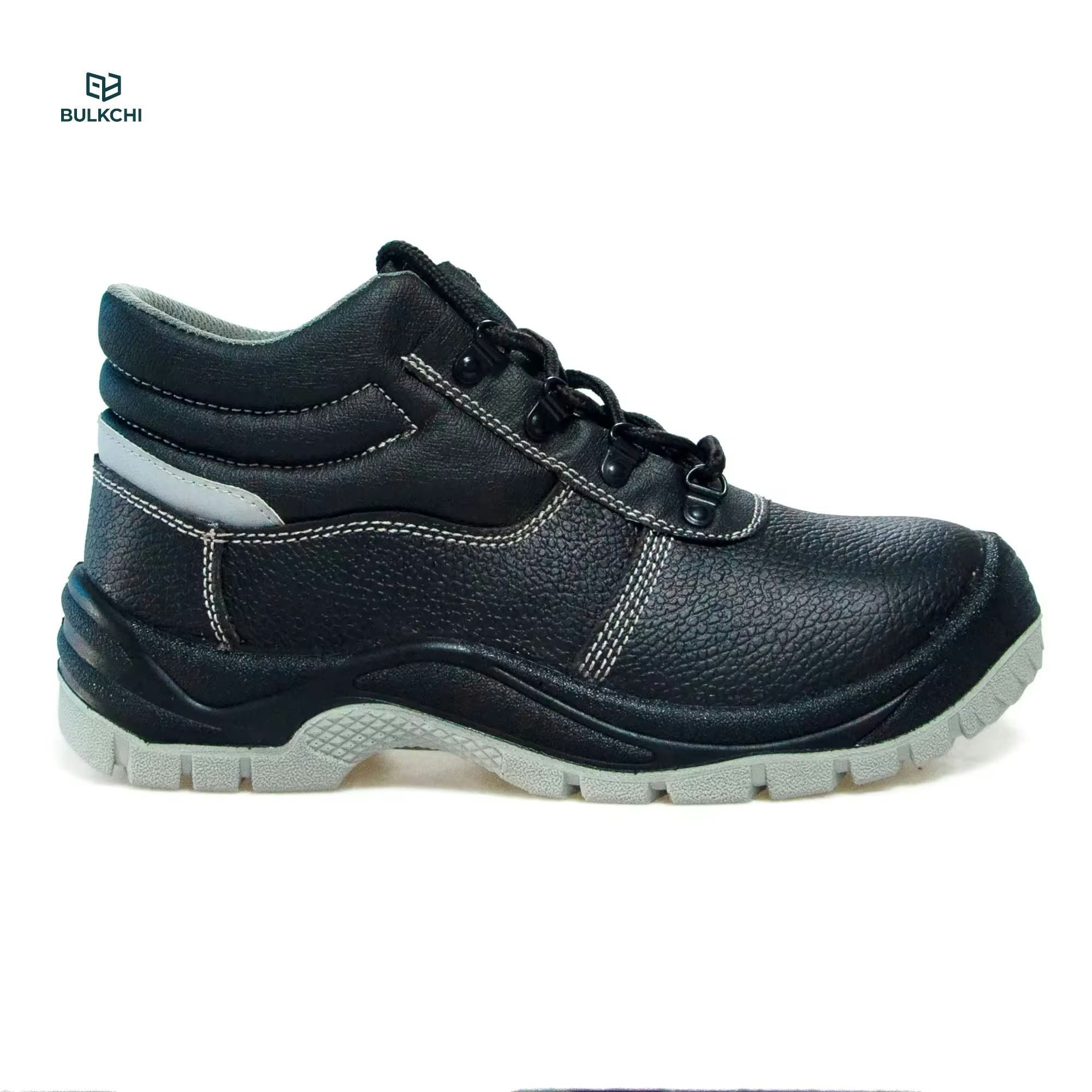
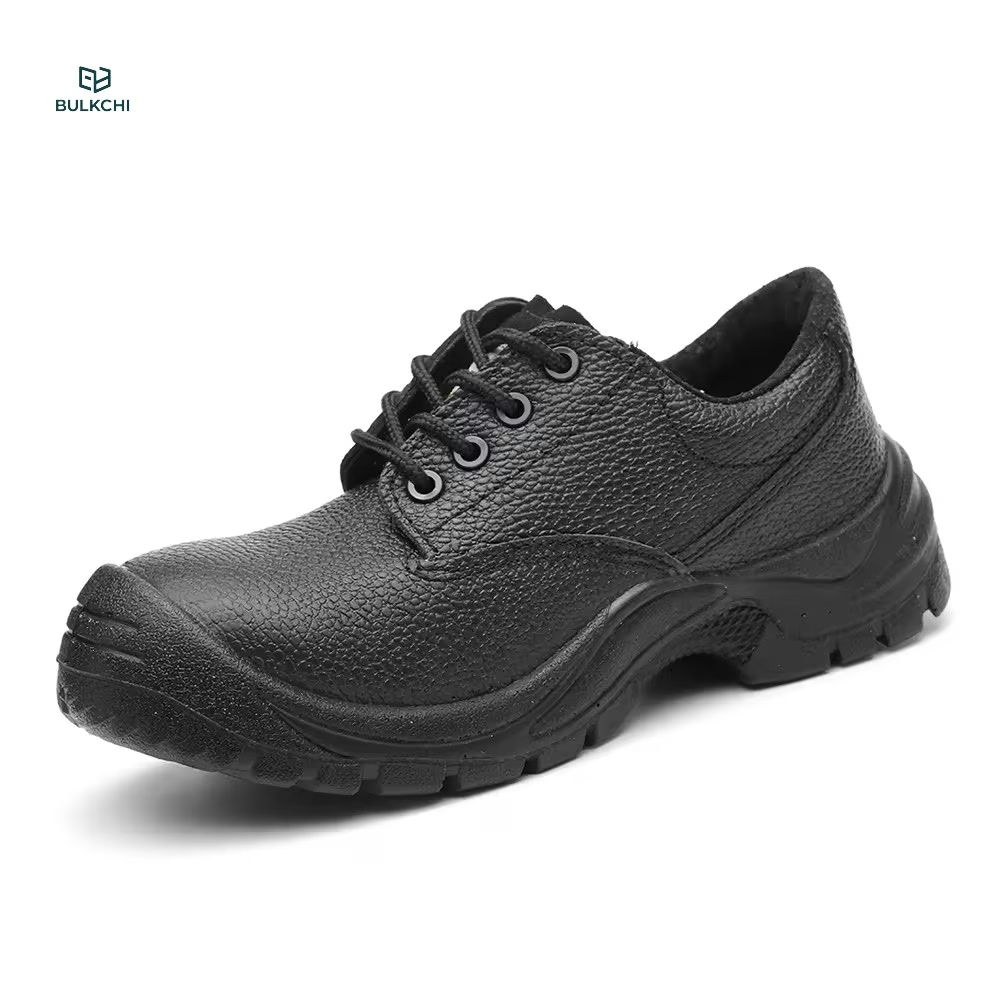
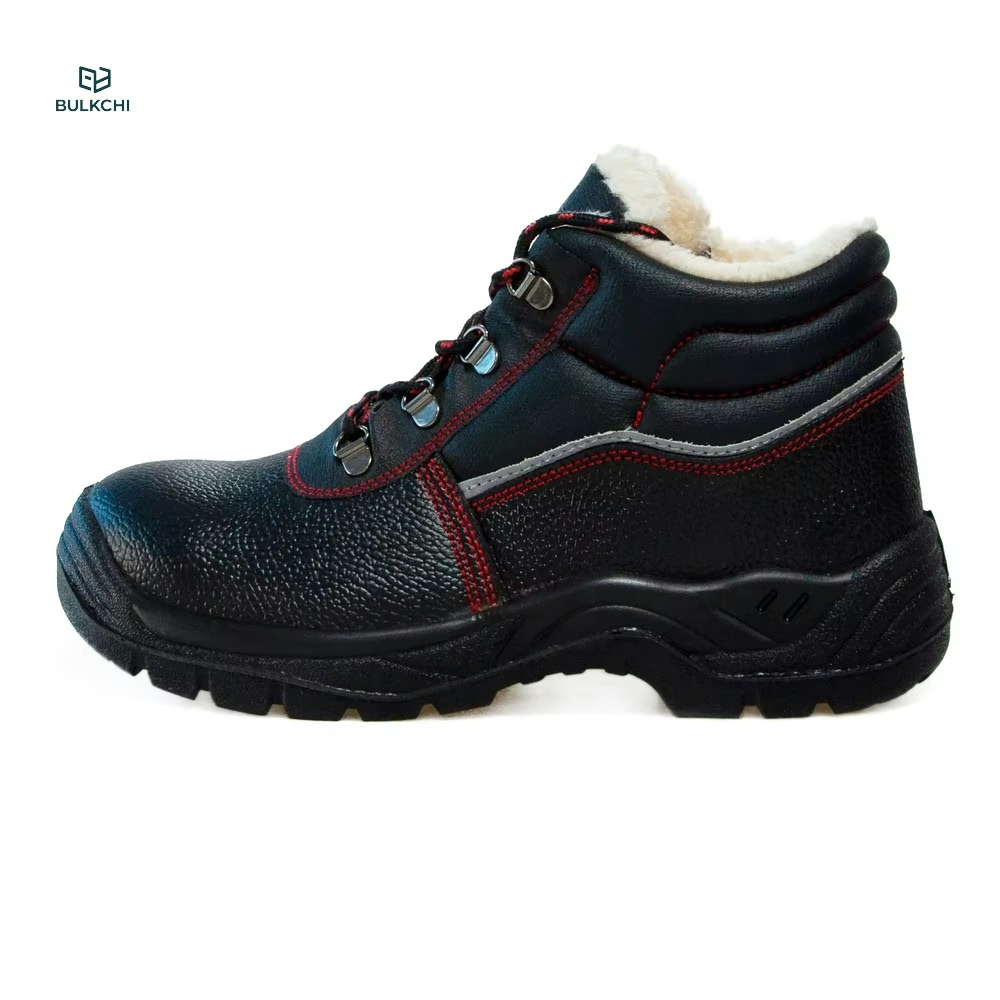
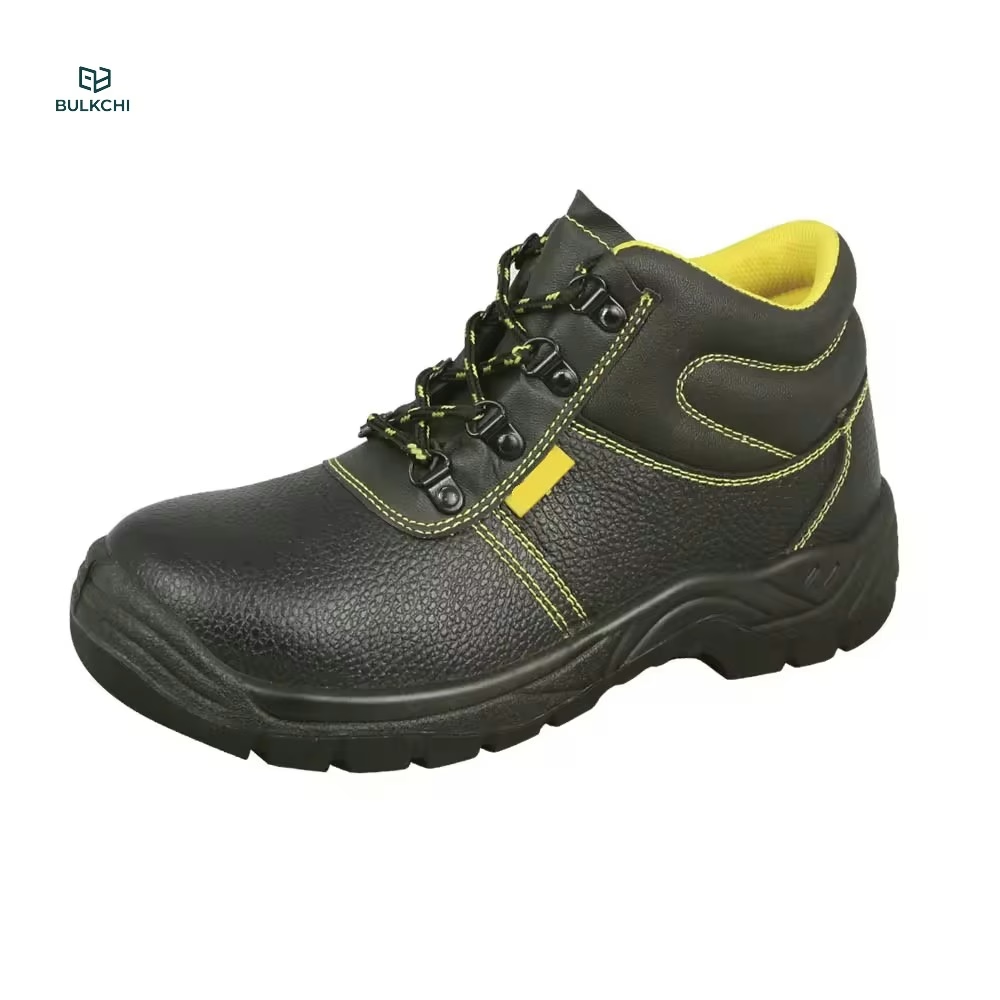
So, which safety boots are OSHA compliant for warehouse work?
What Makes Safety Boots OSHA Compliant?
OSHA (Occupational Safety and Health Administration) does not approve specific brands. Instead, it requires protective footwear to meet ASTM F2413 standards.
To be considered OSHA compliant, warehouse safety boots must include:
Required Protection Features
- Toe Protection -?Steel toe or composite toe to protect against impact and compression
- Slip Resistance -?Outsoles designed to prevent slips on wet or oily surfaces
- Puncture Resistance -?Midsole protection against sharp objects
- Electrical Hazard (EH) Protection -?Optional but essential in certain environments
TIPIn short: If a boot meets ASTM standards and matches your work hazards, it is OSHA compliant.
Best Types of OSHA-Compliant Safety Boots for Warehouse Work
Different warehouse roles require different levels of protection. Here are the most common options:
1. Steel Toe Safety Boots (Most Common Choice)
Steel toe boots are the standard for warehouse environments.
Key Benefits
- Maximum impact protection
- Durable and cost-effective
Ideal for: heavy lifting, forklift zones, general warehouse work
2. Composite Toe Boots (Lightweight Alternative)
Made from non-metal materials, these boots offer similar protection with less weight.
Key Benefits
- Lighter and more comfortable
- Non-conductive
Ideal for: long shifts, e-commerce warehouses, indoor operations
3. Slip-Resistant Safety Boots (Essential Feature)
Slip resistance is critical in almost every warehouse.
Key Benefits
- Anti-slip rubber outsole
- Better grip on wet or dusty floors
Reduces workplace accidents significantly
4. Puncture-Resistant Boots (For High-Risk Floors)
Designed with reinforced midsoles to protect against nails, metal shards, and debris.
Ideal for: construction material warehouses, industrial storage
How to Choose the Right Safety Boots for Your Warehouse
Not all OSHA-compliant boots are the same. The right choice depends on your actual working conditions.
Consider:
Selection Factors
- Work environment (wet, dry, heavy-duty, electrical)
- Shift duration (comfort becomes critical for long hours)
- Risk level (basic vs multi-hazard protection)
- Durability needs (cost vs lifespan)
TIPA practical rule: Basic warehouses - Steel toe + slip resistance; High-risk environments - Add puncture resistance; Long working hours - Choose lightweight composite toe
Why Choosing the Right Supplier Matters
Even if a boot is OSHA compliant, quality and consistency vary greatly between suppliers.
A reliable safety footwear supplier should provide:
Supplier Requirements
- Certified ASTM-compliant products
- Consistent sizing and comfort
- Durable materials for long-term use
- Bulk supply capability for businesses
Our Safety Boots for Warehouse Work
As a professional safety footwear supplier, we offer a full range of OSHA-compliant safety boots designed specifically for warehouse environments:
Our Products
- Steel toe & composite toe options
- Slip-resistant outsoles for warehouse floors
- Puncture-resistant designs for high-risk areas
- Lightweight and comfort-focused models for long shifts
We support:
B2B Services
- Bulk orders for warehouses and logistics companies
- Custom branding (OEM/ODM)
- Fast and reliable supply
Whether you run a small warehouse or a large logistics operation, we can help you find the right safety footwear solution.
Conclusion
OSHA-compliant safety boots are not one-size-fits-all. The best choice depends on your warehouse risks, working conditions, and comfort needs.
By selecting the right type of protective footwear- and the right supplier-ou can improve safety, reduce injuries, and increase productivity.
Looking for reliable OSHA-compliant safety boots for your warehouse? Contact us today for product recommendations or bulk pricing.