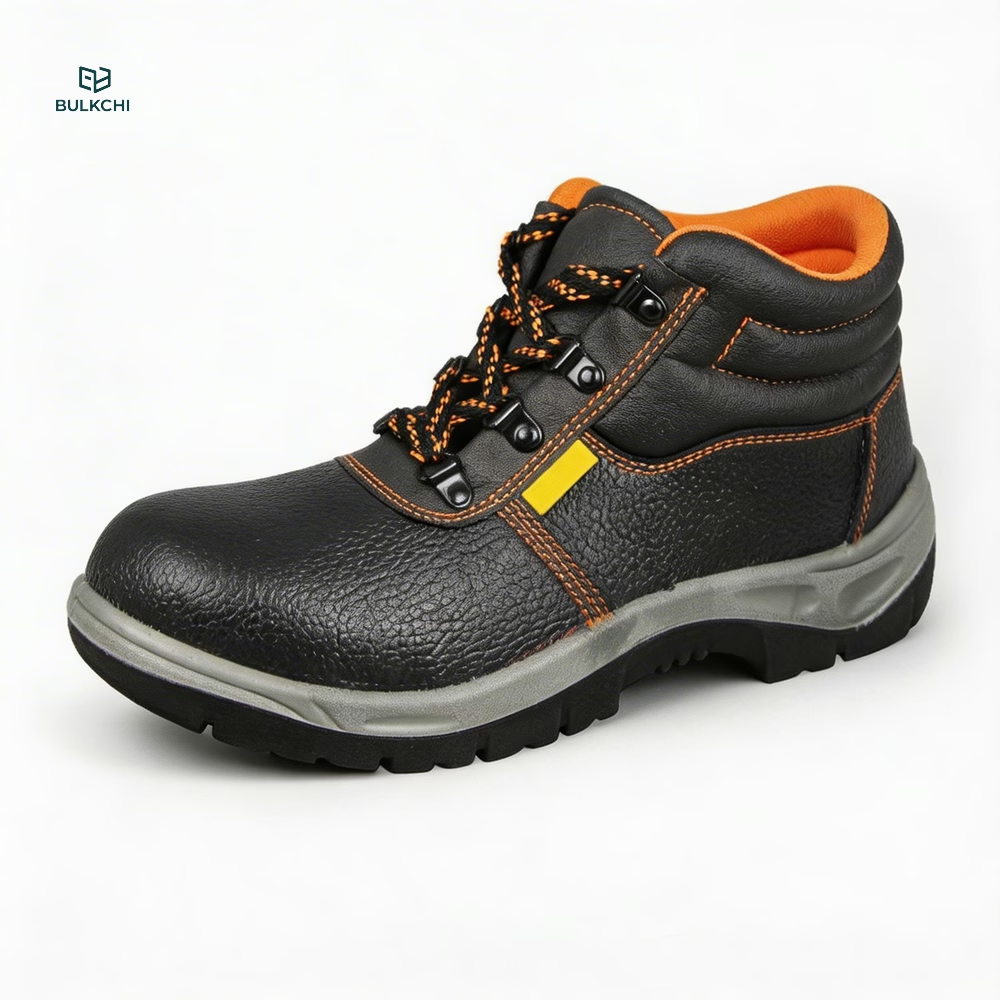
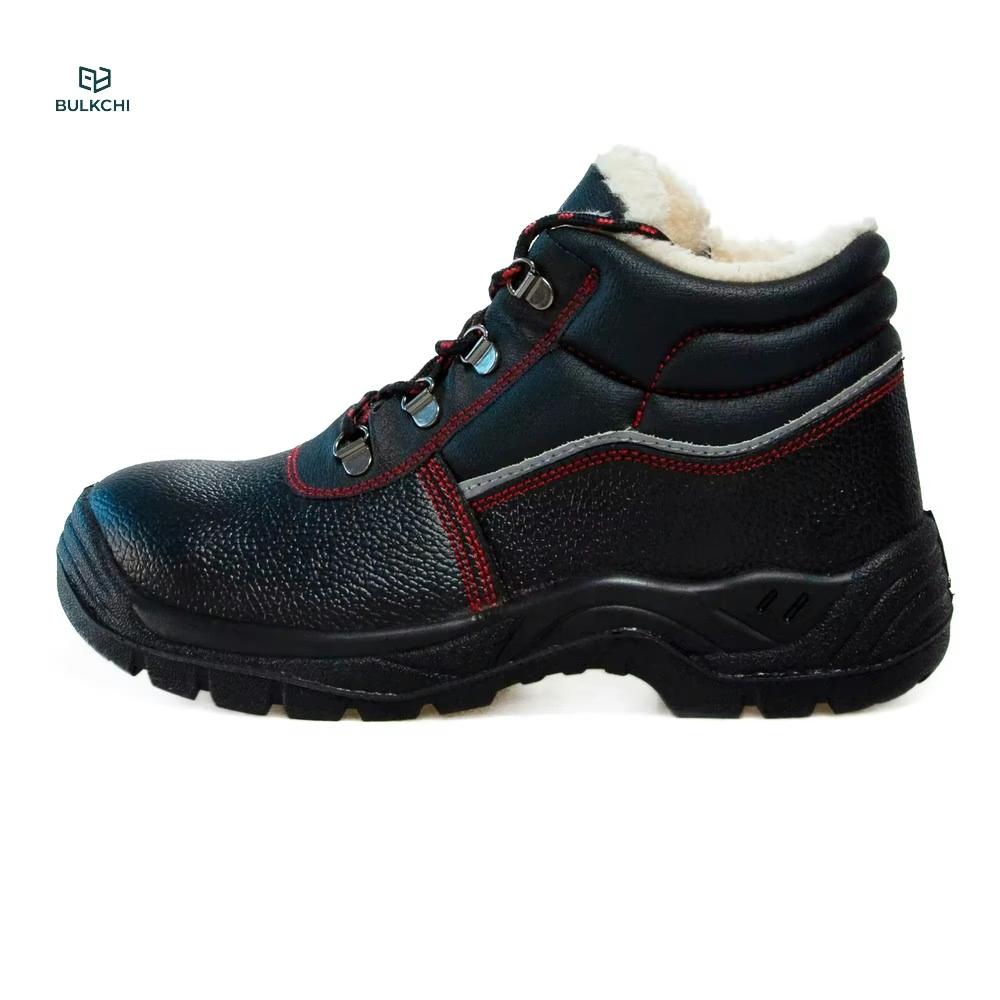
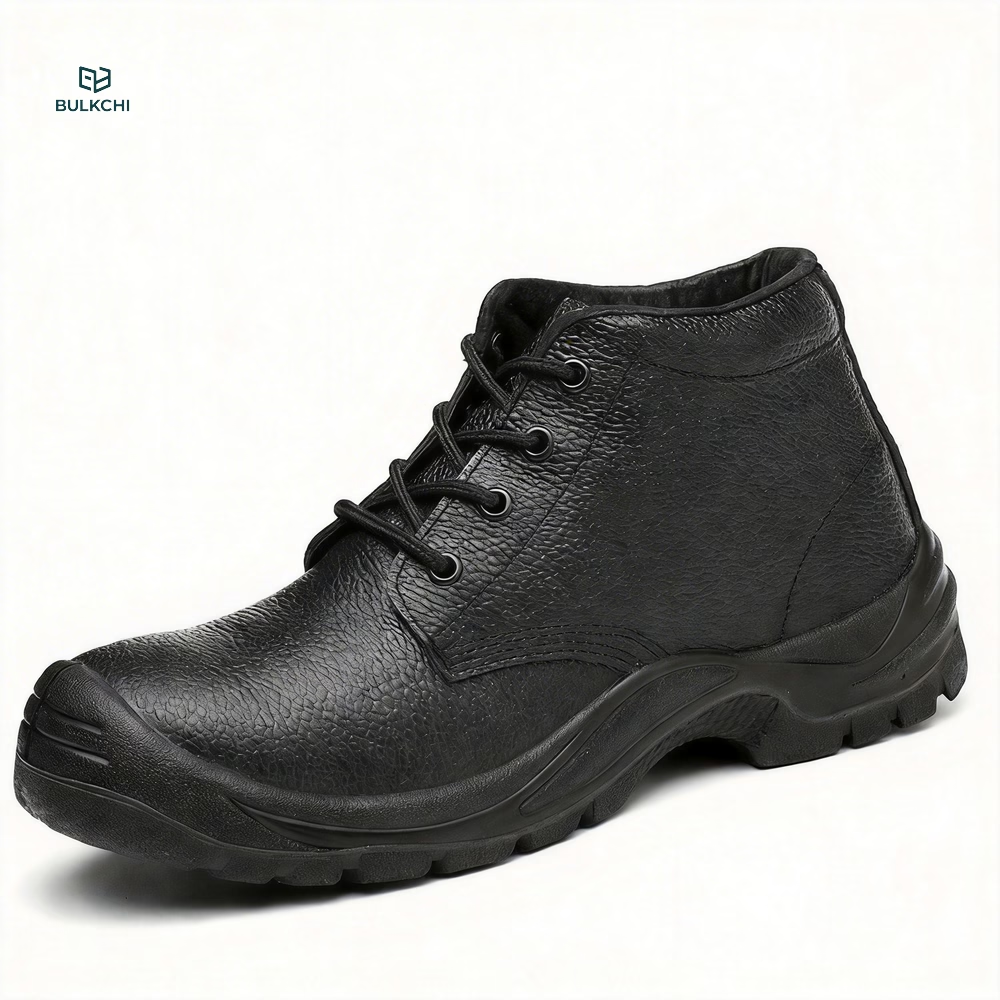
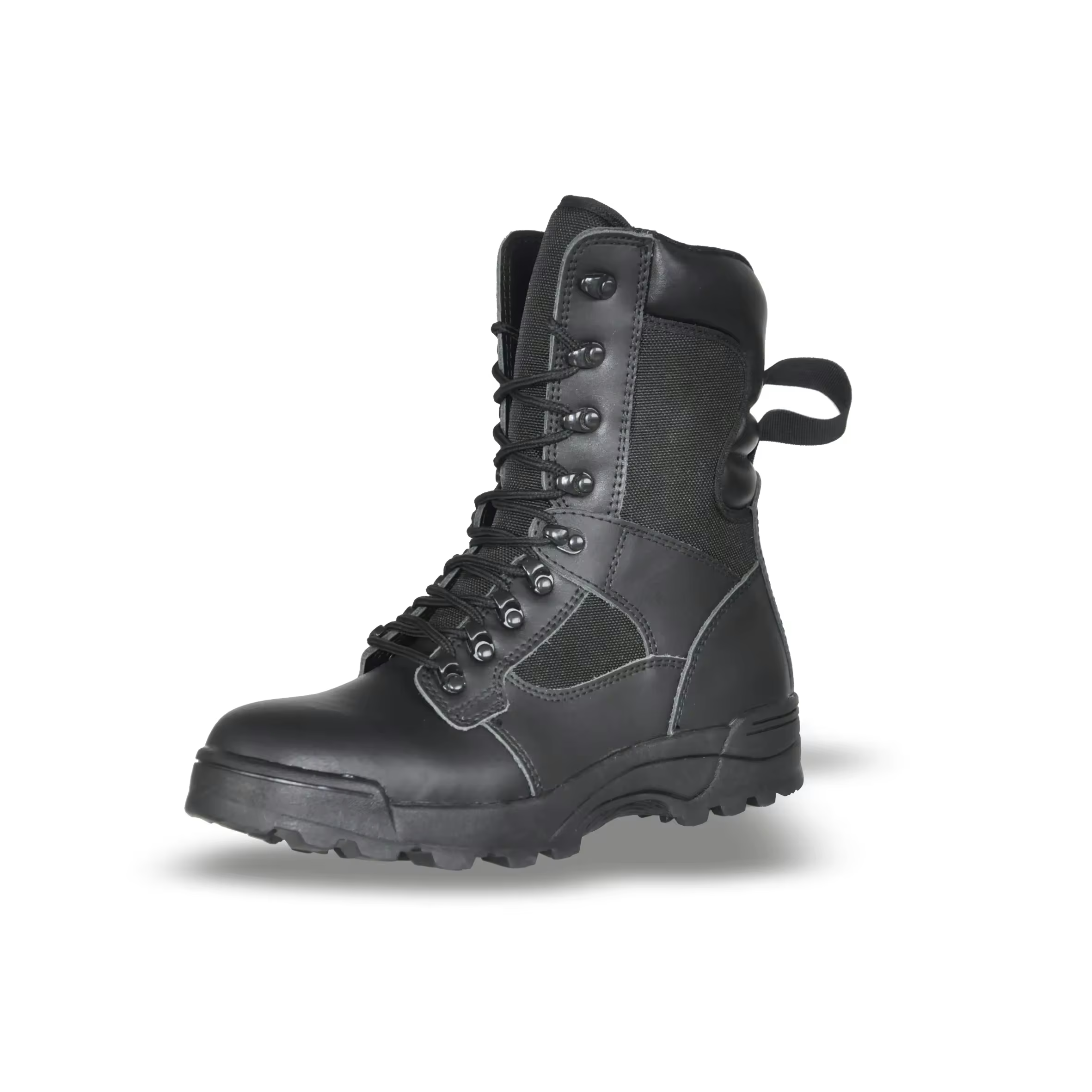
Step 1: Assess Your Workplace Hazards
Before choosing safety boots, identify the specific hazards in your work environment. Common workplace hazards include: falling objects, heavy equipment, sharp materials, wet surfaces, electrical risks, and extreme temperatures.
Step 2: Match Safety Rating to Risks
Safety rating selection guide
- Dry indoor (warehouse, workshop): S1 or S2 rating
- Outdoor/construction: S3 rating with SRC
- Electrical hazards: EH (dielectric) rated boots
- Extreme cold: Insulated safety boots
- Food processing: Easy-clean PU/PU soles
Step 3: Choose the Right Toe Type
Steel Toe vs Composite Toe
| Type | Characteristics | Best Use |
|---|---|---|
| Steel Toe | Maximum protection | Heavier, conducts cold |
| Composite Toe | Lighter, insulation | Slightly less impact protection |
TIPFor electrical work, choose non-metallic composite toe boots to avoid conductivity. For heavy construction, steel toe provides maximum protection.