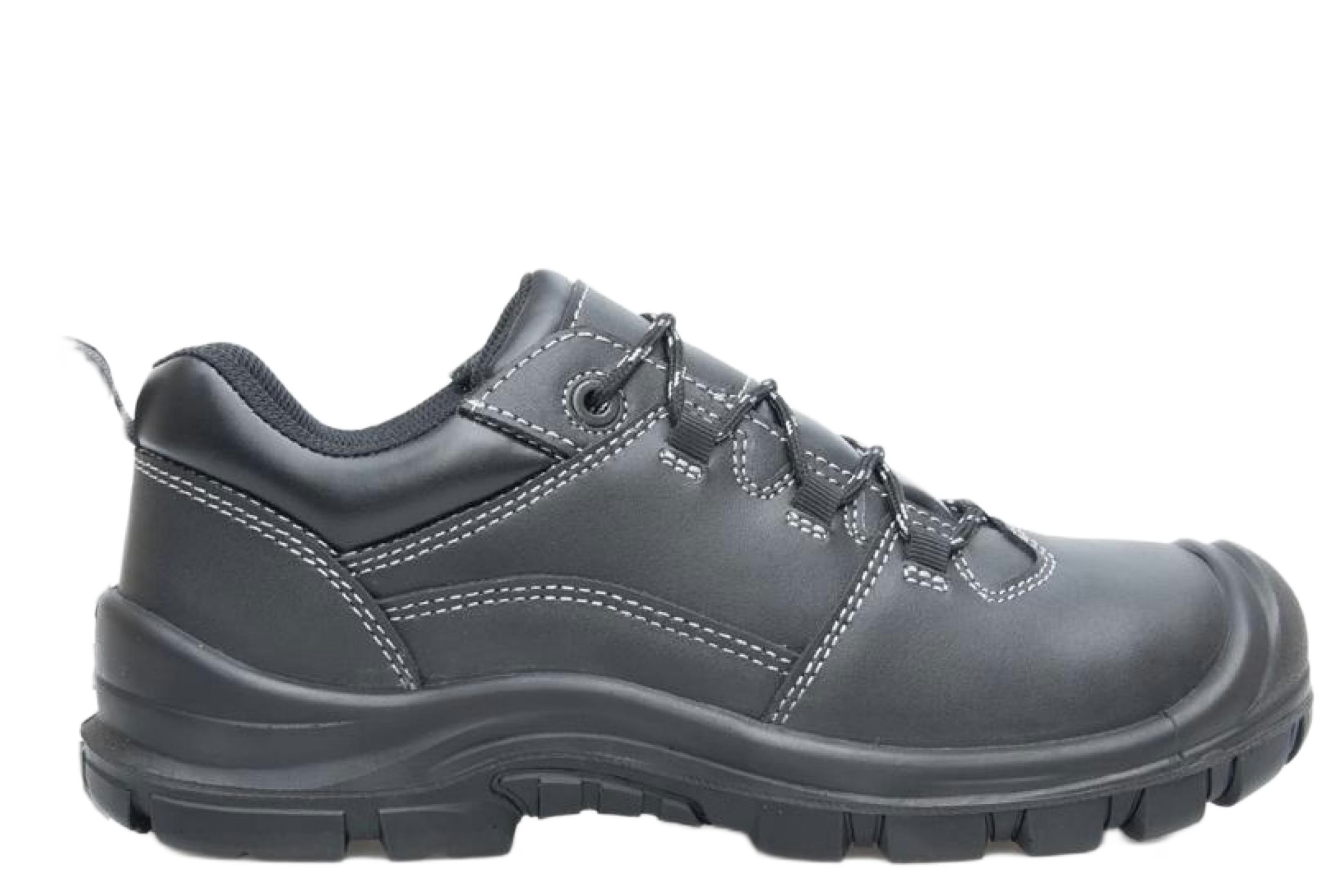
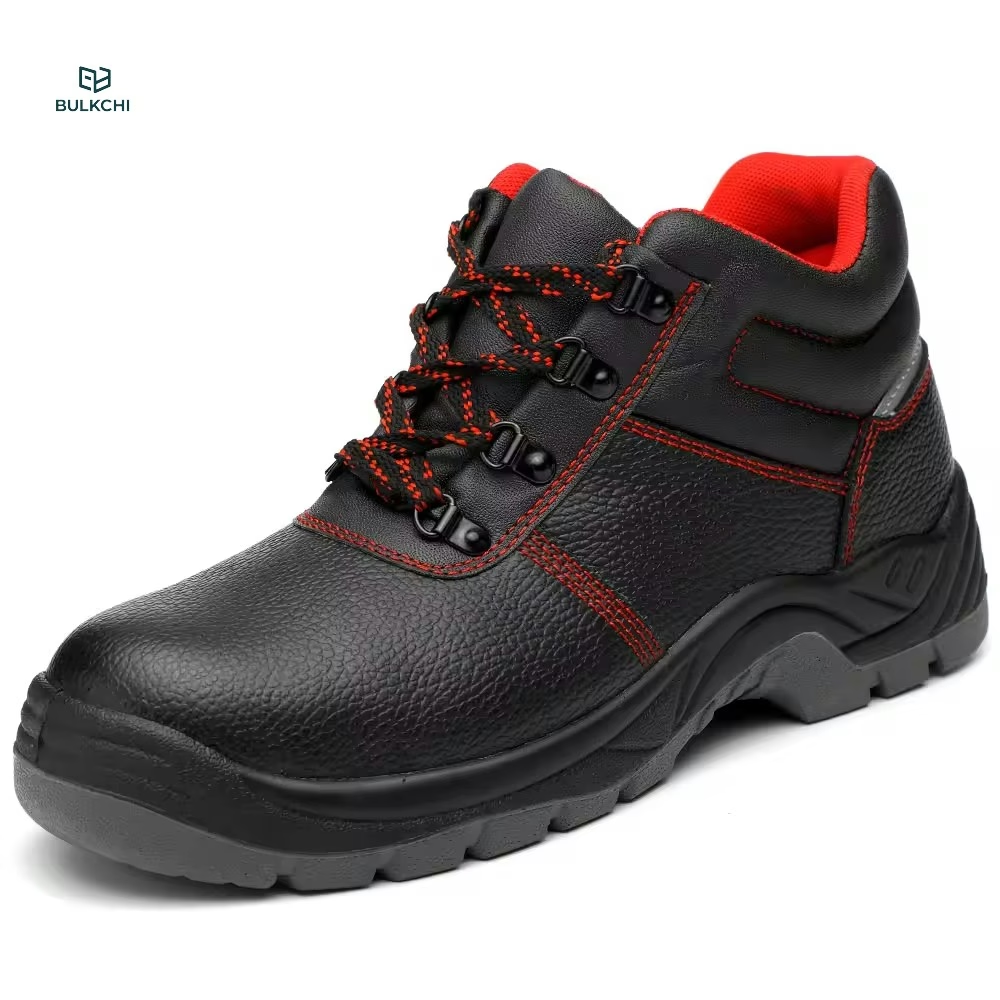
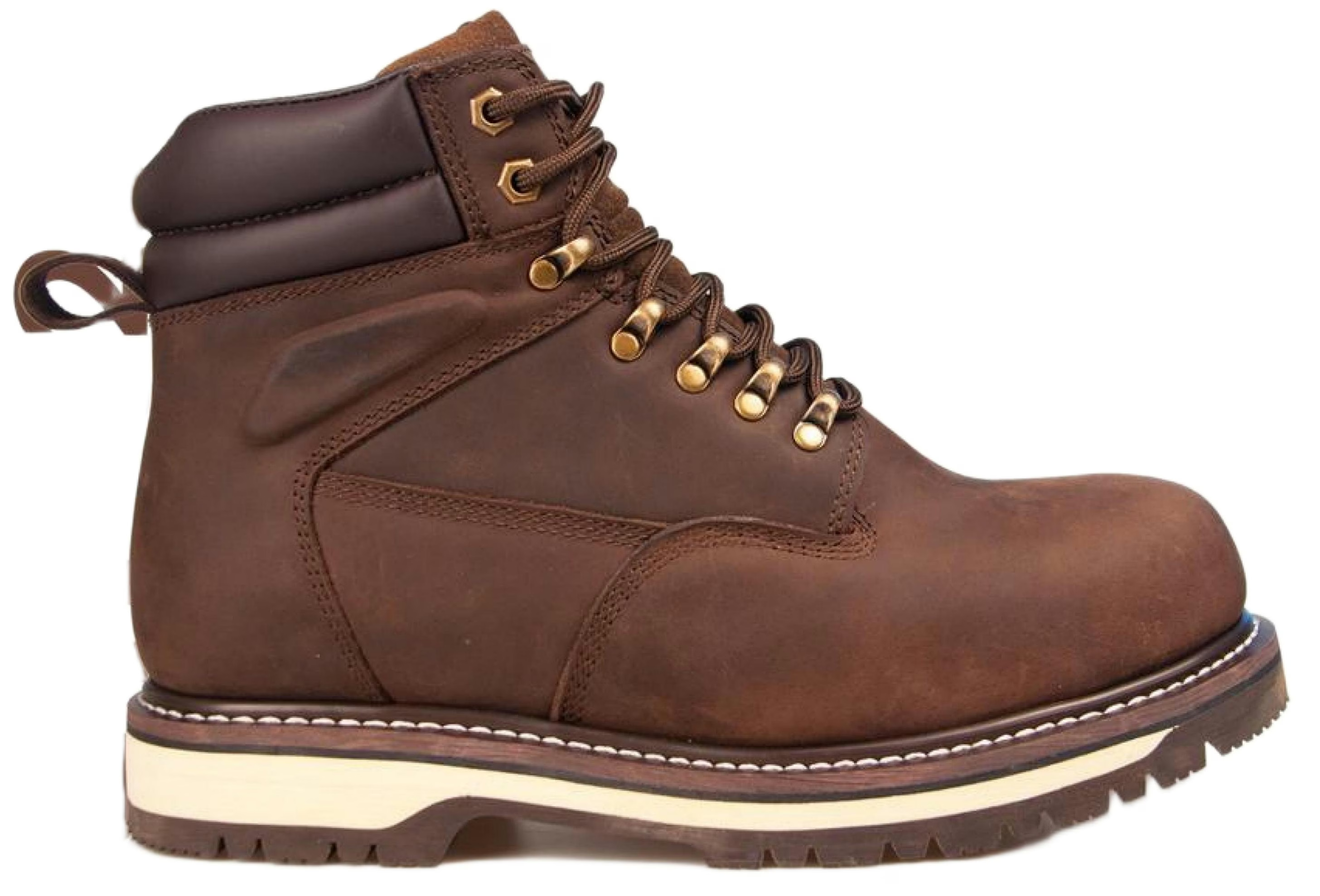
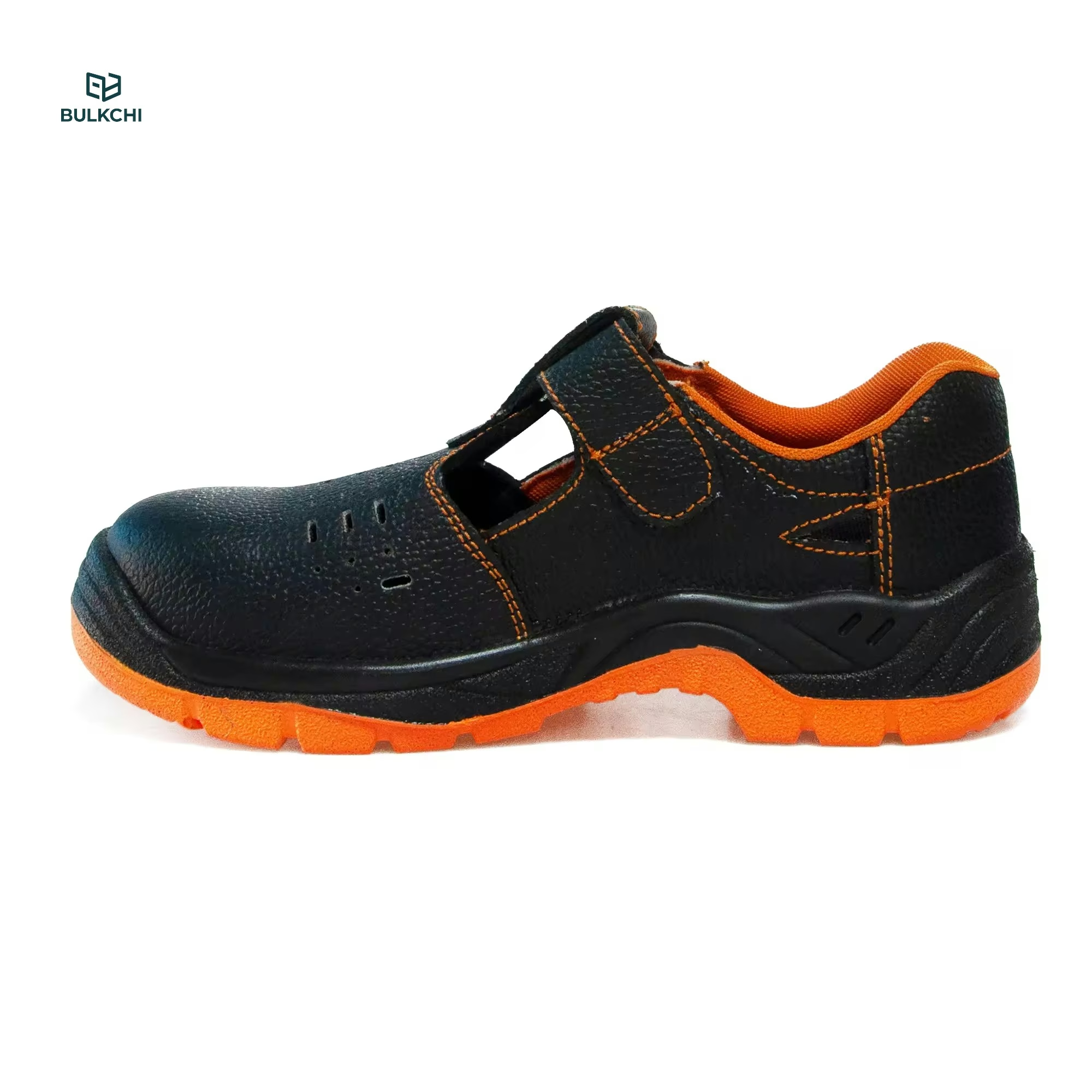
SRC slip resistance. It sounds technical, but here's what it means practically: SRC-rated boots have passed both SRA (ceramic tile with detergent) and SRB (steel with glycerin) testing. But here's what the rating doesn't tell you: Outsole tread pattern matters as much as compound. A SRC-rated boot with a worn-out tread pattern is just as dangerous as a non-rated boot. The real-world slip resistance challenge:
Practical Application and Use Cases
Plus, In the contemporary landscape of international heavy industries, procurement managers are systematically confronted with multifaceted supply chain challenges when specifying criteria for food grade anti slip work boots. From structural engineering facilities in Rotterdam to large-scale infrastructure projects across North America, the operational life cycle of protective apparel directly influences corporate bottom lines. Selecting premium footwear built under strict manufacturing guidelines for food grade anti slip work boots prevents catastrophic on-site accidents, mitigates corporate litigation risks, and guarantees that frontline operators remain fully protected against unexpected structural failures. The modern focus on worker health requires footwear that provides advanced mechanical defense without sacrificing human ergonomics.
Material Selection and Performance
From a pure metallurgical and high-polymer engineering perspective, the longevity of products designated as food grade anti slip work boots depends on material purity. Our manufacturing facility utilizes advanced bi-directional micro-sipings, glycerol-on-steel testing parameters, ceramic tile with sodium lauryl sulfate solution coefficient evaluation, surface tension breaking siping grids. to reach unparalleled thresholds of safety. Here's what that means in practice: for instance, when testing the resistance parameters of food grade anti slip work boots, the footbeds must undergo extensive cyclic testing to simulate years of heavy field exposure. By incorporating advanced anti-torsion TPU shanks and combining them with specialized leather hides, the resulting structural frame prevents midfoot collapse and reduces physical fatigue. Every batch of food grade anti slip work boots processed on our production line is subject to strict laboratory verification, ensuring that impact protection levels exceed standard international limits under varying thermal conditions.
Manufacturing Quality Control
To satisfy the rigorous volume requirements of international distributors importing food grade anti slip work boots, our state-of-the-art Chinese manufacturing plant employs elite technologies like commercial catering and hospitality footwear contract fulfillment, low-profile lightweight industrial footwear direct sales, wholesale private label distribution licensing.. Standard cement construction lines often fail under high-stress conditions, leading to early sole delamination. To eliminate this issue, our primary factory lines feature advanced injection moulding systems that fuse the upper material directly to the multi-density outsole matrix. Food Grade Anti Slip Work Boots What this actually looks like: buyers seeking optimized distribution strategies for food grade anti slip work boots can choose from extensive custom oem branding variations. This includes precision laser-etching on heel guards, personalized steel cap profiles, and specialized packaging configured to maximize container space during ocean shipping.
Compliance and Certification
Here's something counterintuitive: Final inspection protocols for global shipments of food grade anti slip work boots include rigorous compliance checks. But here's the kicker - our quality assurance teams implement strict batch-testing tracking numbers linked to raw material suppliers. When enterprise partners request wholesale pricing structures for food grade anti slip work boots, they receive full transparency regarding material composition, testing certifications, and custom branding options. By aligning your business with a factory that prioritizes technical transparency and adheres to international safety regulations, you ensure that your local distribution network stands out for its reliability, durability, and superior design quality.
Selection Guide and Recommendations
Beyond basic mechanical protection, the internal micro-climate of footwear designed for food grade anti slip work boots plays a pivotal role in long-term operator efficiency. Traditional industrial work boots frequently isolate the foot in a rigid, non-breathable chamber, precipitating excessive sweat accumulation, bacterial dermatological conditions, and accelerated material degradation from the inside out. To counteract these adverse factors, high-performance manufacturing protocols for food grade anti slip work boots incorporate advanced three-dimensional warp-knitted spacer fabrics for quarter linings. Food Grade Anti Slip Work Boots These textiles feature a specialized open-cell structure that facilitates continuous omnidirectional airflow, expelling warm humid air through kinetic walking compression. Simultaneously, the heel region is structurally enhanced with dual-density ethylene-vinyl acetate (EVA) or custom-formulated liquid PU shock absorption cells. The real-world impact? during the heel-strike phase of the human gait cycle, these specialized cells dynamically deform to absorb up to 35 joules of kinetic impact energy, minimizing the stress transmitted to the worker's calcaneus bone, tibia, and lumbar spine. For enterprise buyers deploying food grade anti slip work boots across large-scale logistics operations or warehouse distribution centers, this focus on human biometrics translates into a measurable reduction in daily fatigue-related downtime and a significant increase in overall workforce operational efficiency.
Cost Analysis and Value
As global ESG (Environmental, Social, and Governance) mandates become increasingly integrated into the procurement frameworks of multinational oil and gas, construction, and mining conglomerates, the methods by which food grade anti slip work boots is manufactured are subject to intense regulatory scrutiny. Forward-thinking manufacturing operations must pivot away from high-volatile organic compound (VOC) adhesive cements toward eco-friendly, water-based primer systems. Furthermore, our primary leather tanneries are fully accredited by the Leather Working Group (LWG), ensuring that water consumption, chemical management, and waste treatment protocols adhere to rigorous carbon-reduction standards. When international purchasing groups evaluate the wholesale financial breakdown of food grade anti slip work boots from an enterprise factory direct price model, they must compute the Total Cost of Ownership (TCO). Food Grade Anti Slip Work Boots Investing in a high-durability boot engineered with premium components reduces replacement cycles from once every three months to once per calendar year. Food Grade Anti Slip Work Boots This dramatic life-cycle extension drastically lowers total corporate expenditure while reducing the volume of spent industrial footwear entering local landfill infrastructure. By establishing a direct supply contract for food grade anti slip work boots with an accredited Chinese manufacturing partner, global brands secure pricing stability against raw material fluctuations, guarantee steady seasonal inventory rollouts, and deliver exceptional product quality to end-users worldwide.